
Types of children’s savings accounts in the UK
Finding the best savings account for children means understanding the main options available, each tailored to different needs like flexibility or tax benefits. The top choices prioritise high yields and value, helping parents build a financial future for their kids without unnecessary fees.
Junior ISAs explained
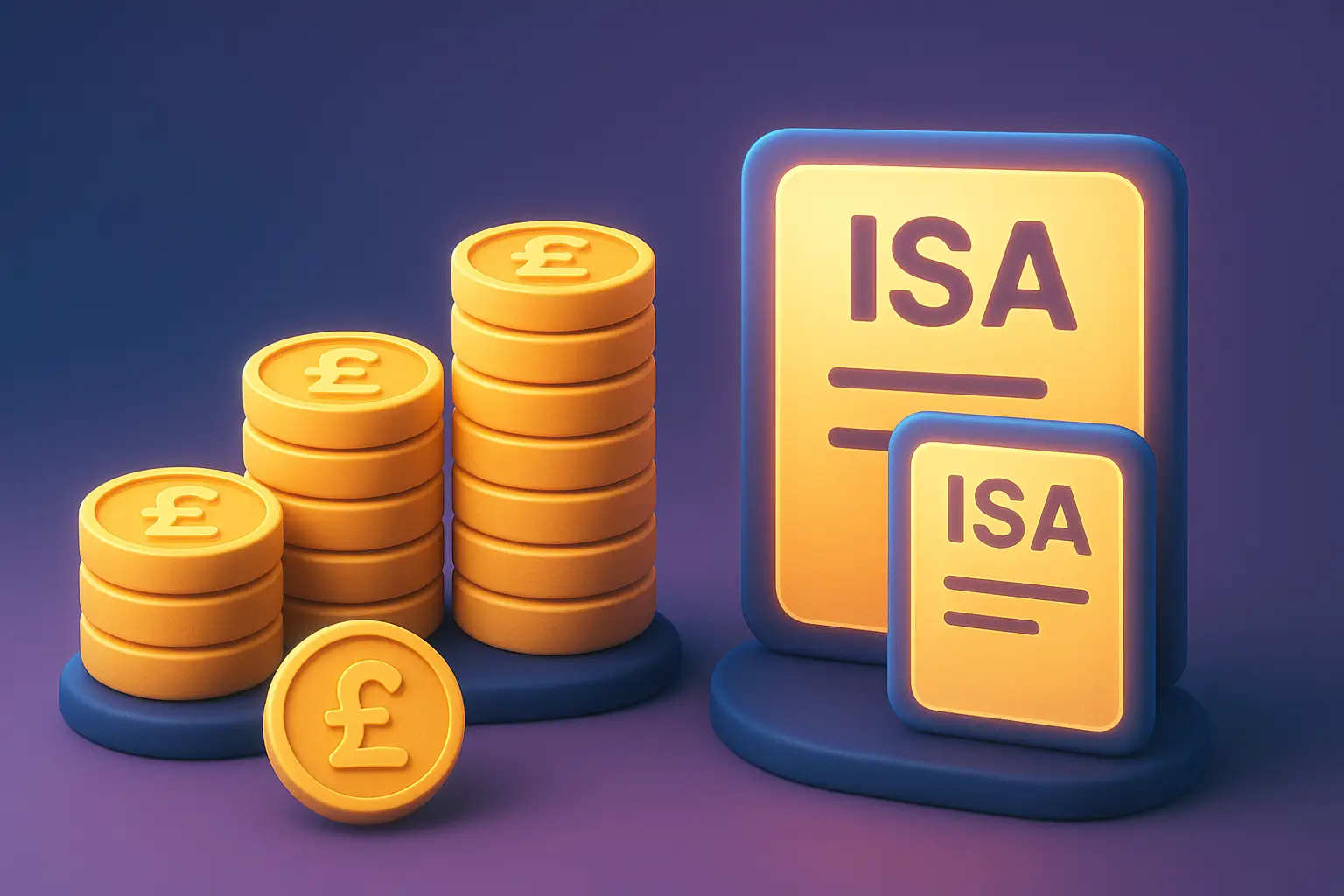
Junior ISAs stand out as a tax-free wrapper for children’s savings, allowing up to £9,000 annually without income tax or capital gains tax applying until the child turns 18. These accounts, often in cash form for low-risk growth, beat regular savings by shielding interest from taxation, especially valuable if your child has unearned income over the personal savings allowance. According to Which? in 2025, over 1.2 million Junior ISAs were active by late 2024, with balances growing 5% yearly on average.
Regular savings accounts for kids
Regular savers encourage monthly deposits, typically up to £250, and offer boosted rates like 5.5% AER from providers such as Halifax Kids Saver. These accounts suit families teaching budgeting habits, but watch for penalties on missed deposits that could reduce overall value. They provide easy access while rewarding consistency, making them a solid pick for the best regular savings account for children.
Fixed-rate bonds for children
Fixed-rate bonds lock funds for a set term, like one year at 4.55% AER, guaranteeing returns if you can avoid withdrawals. Ideal for parents confident in not needing the money soon, these offer stability over variable easy-access rates. However, early access charges apply, so they’re best for longer-term goals like education funds.
Top high-yield children’s savings accounts for 2025
The best high-yield savings accounts for children in 2025 deliver up to 5.5% AER on easy-access options, focusing on UK providers for maximum value and FSCS protection. Prioritise accounts with low minimum deposits and no fees to ensure every pound works hardest for your child’s future.
Best easy-access options
Easy-access accounts let you withdraw anytime without penalty, topping at 5.5% AER as per MoneySavingExpert’s September 2025 data. Providers like building societies offer these for kids under 18, often with parental oversight. For the best savings account for children UK, compare rates monthly as they fluctuate with base rate changes.
| Account Name | AER Rate | Minimum Deposit | Access Type | Provider |
|---|---|---|---|---|
| Halifax Kids’ Saver | 5.5% | £1 | Easy Access | Halifax |
| Junior Cash ISA (Top Pick) | 4.75% | £1 | Easy Access | Various Building Societies |
| HSBC Children’s Saver | 4.0% | £10 | Easy Access | HSBC |
| One-Year Fixed Bond | 4.55% | £500 | Fixed | MoneySavingExpert Recommended |
This table, based on Moneyfacts October 2025 comparisons, highlights value leaders; always verify current rates.
Highest Junior ISA rates
Junior cash ISAs lead with rates around 4.75% AER tax-free, far better than taxable alternatives for larger sums. They lock until age 18 but grow compound interest efficiently. For 2025, expect slight rises if interest rates hold, per Which? forecasts.
Regular saver accounts with bonuses
Bonus-boosted regular savers from Halifax hit 5.5% for consistent £250 monthly deposits, ideal for kids learning saving discipline. These often require no withdrawals, maximising yields over standard accounts.
Tip for maximising value
Start small with £1 deposits in high-yield options to test the waters, then scale up to Junior ISAs for tax-free growth. Track rates via comparison sites to switch for the best returns without fees.
Factors to consider when choosing a kids’ savings account
Select based on yield versus flexibility: high-interest accounts like those at 5.5% AER offer the best value but may limit access. Weigh tax benefits against your child’s age and your financial goals for optimal protection.
Interest rates and AER
AER (annual equivalent rate) shows true yearly returns including compounding; aim for over 4% in 2025 for the best high interest savings account for children. Variable rates can drop, so fixed options provide certainty.
Tax implications and allowances
Children’s interest under £100 annually per parent is tax-free via the parental allowance, but Junior ISAs eliminate limits entirely up to £9,000. Exceeding this triggers tax, reducing net value—opt for ISAs to avoid it.
Safety and FSCS coverage
All UK-regulated accounts cover up to £85,000 per person via FSCS, ensuring safety for kids’ funds. Stick to authorised providers for peace of mind.
Age and access restrictions
Most accounts accept kids from birth, but under-5s often need full parental control. Easy-access suits frequent use, while fixed suits long-term; tailor to your child’s stage.
For broader comparisons, see our guide on the best savings account options.
Expert recommendations from Martin Lewis and others
Martin Lewis highlights easy-access at 5.5% and Junior ISAs as top picks for value, urging tax-free prioritisation. These align with MoneySavingExpert’s unbiased advice for 2025.
MoneySavingExpert top picks
MSE recommends top children’s savings accounts at 5.5% interest, emphasising regular savers for bonuses. Their analysis shows ISAs outperforming taxable ones long-term.
Which? customer satisfaction scores
Which? rates providers like HSBC high for service, with best children’s savings accounts 2025 scoring on ease and yields. Focus on those with strong satisfaction for hassle-free management.
Explore Martin Lewis best savings account selections for more insights.
How to open a savings account for your child
Opening takes minutes online with basic ID; parents act as trustees until age 18. Choose high-yield for immediate value.
Required documents
Provide your child’s birth certificate, your ID, and proof of address. No credit check needed for kids.
Online vs in-branch process
Online is fastest via sites like Moneyfacts, while branches suit queries. Both confirm FSCS instantly.
Parental controls and monitoring
Set deposit limits and view balances anytime; apps from HSBC add engagement for older kids.
Check best savings account rates UK before applying.
Frequently asked questions
What is the best savings account for children?
The best savings account for children depends on needs, but high-yield Junior ISAs at up to 4.75% AER offer top value tax-free in 2025. For flexibility, easy-access like Halifax at 5.5% suits regular use. Compare via Moneyfacts for current leaders, ensuring FSCS protection.
How much interest do children’s savings accounts pay?
Children’s accounts pay 4-5.5% AER typically, with easy-access topping 5.5% per MoneySavingExpert. Fixed bonds hit 4.55%, while ISAs provide tax-free equivalents. Rates vary by provider and term; monitor for base rate impacts to secure the best savings account interest rates for children.
Are children’s savings accounts tax-free?
Not all, but Junior ISAs are fully tax-free up to £9,000 yearly, per HMRC 2025 rules. Regular accounts use the £100 parental allowance before tax applies. For larger sums, ISAs maximise net returns, avoiding the 20% income tax on excess interest.
What’s the difference between a Junior ISA and a regular savings account?
Junior ISAs lock funds until 18 with tax-free growth, ideal for long-term like university. Regular accounts allow anytime access but tax interest over allowances. ISAs yield better value for committed savings, as Which? notes higher effective rates post-tax.
Can parents open a savings account for their child?
Yes, parents or guardians open as trustees, controlling until 18. No age minimum—newborns qualify via birth certificate. This setup teaches finance while protecting assets, with options from £1 deposits.
What is the best savings account for children under 5?
For under-5s, easy-access like HSBC at 4% AER provides flexibility, as full control stays with parents. Junior ISAs work from birth for tax-free starts. Prioritise low-minimum, high-yield picks to build habits early without access risks.