

What is a Junior ISA and why start one?
A Junior ISA, often called a JISA, is a tax-free savings or investment account designed for children under 18 in the UK, helping parents and guardians build a financial nest egg for their future. The core benefit is that all growth—whether from interest or investments—is free from income tax and capital gains tax, potentially saving hundreds or thousands over time compared to standard kids savings accounts. With over 1.2 million Junior ISAs holding more than £10 billion as of 2024, according to MoneySavingExpert, starting one now can leverage compound growth for milestones like university or a first home.
Eligibility and rules
Any child resident in the UK under 18 can have a Junior ISA, but only one of each type (cash or stocks and shares) open at a time. Parents or legal guardians manage the account until the child turns 18, when control transfers to them. You cannot open a JISA for yourself as an adult, but contributions from family count towards the annual limit.
Tax benefits
Unlike regular child savings accounts, Junior ISAs shield earnings from tax, which is crucial if total interest exceeds the child’s personal savings allowance of £100 a year. For example, a best ISA for kids growing at 4% could avoid tax on £360 annually from a £9,000 balance, making it ideal for long-term value.
Allowance and contributions
The Junior ISA allowance for 2025/26 remains £9,000 per tax year (6 April to 5 April), as confirmed by Moneyfarm’s guide on rules and limits. You can contribute up to this amount from any source, including gifts from grandparents, but unused allowance does not roll over. For more on overall ISA rules, see the official HMRC guidance on Individual Savings Accounts.
Types of Junior ISAs: Cash vs stocks and shares
Junior ISAs come in two main types: cash, which works like a savings account with fixed or variable interest, and stocks and shares, which invest in funds, shares or bonds for potentially higher returns but with market risks. Cash options suit cautious savers seeking stability, while stocks and shares appeal to those comfortable with volatility for greater long-term growth. The best choice depends on your risk tolerance and time horizon—cash preserves capital, but stocks have historically averaged 7% annual growth, per Trust Intelligence’s 2025 review.
Cash Junior ISA basics
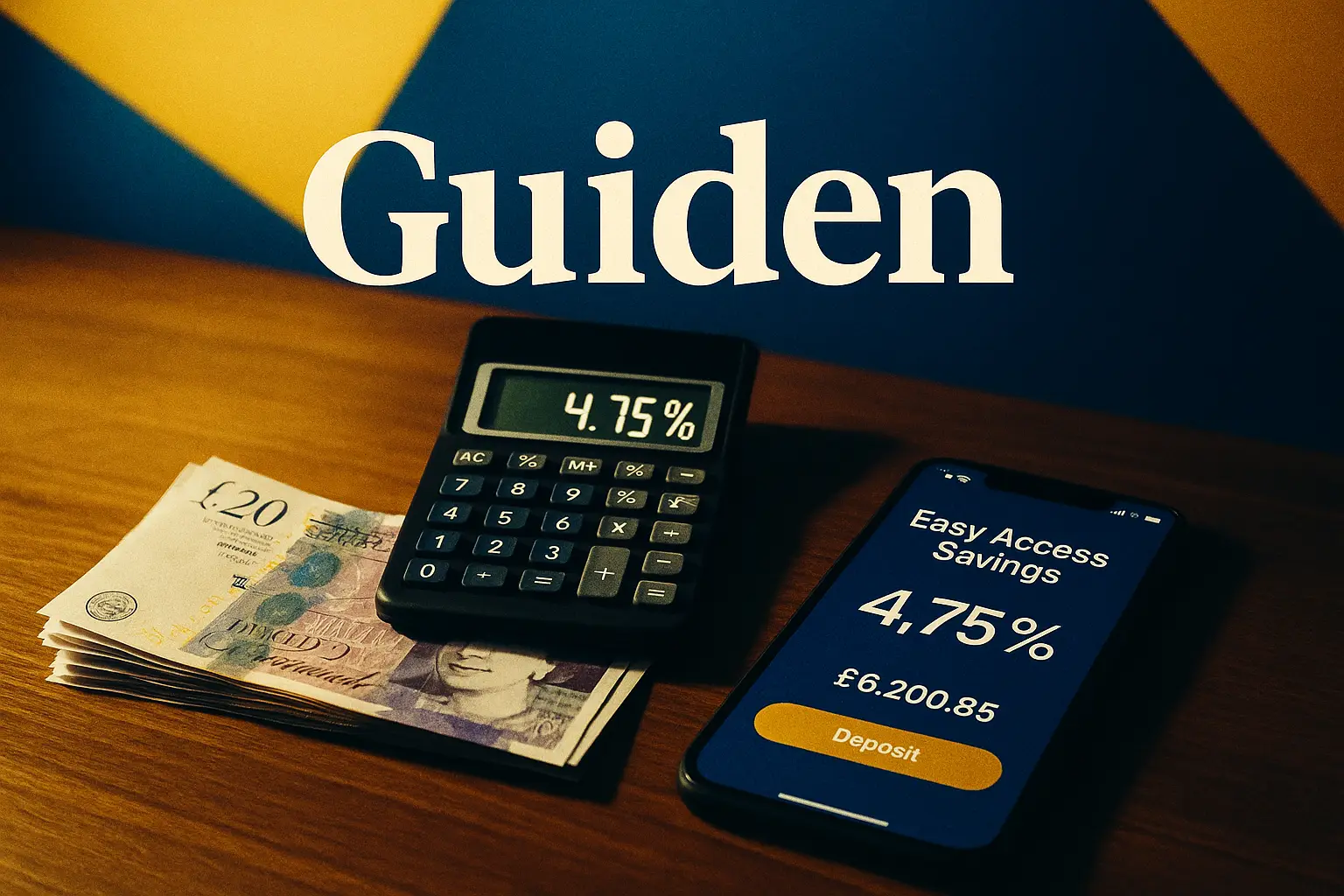
A cash Junior ISA earns interest tax-free, with rates up to 4.4% AER (annual equivalent rate, a standard measure of interest including compounding) as of October 2025, according to Which?. Funds are protected up to £85,000 by the Financial Services Compensation Scheme (FSCS) if the provider fails. It’s low-risk, but inflation can erode real value over time.
Stocks and shares options
These invest in markets, offering diversified funds like global equities or index trackers. Platforms charge fees (typically 0.25-1%), but no tax on gains. For details on top platforms, explore the best ISA stocks and shares options.
Risks and returns comparison
Cash guarantees your money (minus inflation), while stocks can fall in value—potentially losing money short-term—but offer higher potential, like turning £50 monthly into £18,000 by age 18 at 5% return, as illustrated by The Guardian. Always diversify and consider your horizon; past performance isn’t a guarantee. For current rates context, check best ISA rates comparisons.
| Provider | AER (%) | Minimum Deposit | Access | FSCS Protected |
|---|---|---|---|---|
| Coventry Building Society | 4.4 | £1 | Instant access | Yes |
| Nationwide | 4.0 | £1 | Instant access | Yes |
| Halifax | 3.9 | £10 | Fixed 1 year | Yes |
Rates accurate as of October 2025; verify with providers as they fluctuate. Data sourced from Moneyfactscompare.
Best cash Junior ISAs 2025
Top cash Junior ISAs prioritise high AER and easy access for best value, with Coventry Building Society leading at 4.4% for its competitive rate and low entry. Nationwide offers a solid 4.0% with family-friendly perks, ideal for regular savers. Choose based on liquidity needs—fixed rates lock funds for higher yields but suit long-term plans.
Top providers and rates
Beyond the table, options like those from Money.co.uk highlight variable rates around 3.5-4.2%, emphasising FSCS safety.
Pros and cons
Pros: Secure, predictable growth, simple to manage. Cons: Lower returns than stocks; rates may drop with base rate cuts.
How to choose
Assess current best junior ISA rates via comparison sites like Money To The Masses, factor in min deposits, and align with your savings goals.
Tip: Start small with £1 monthly to build the habit—compounding turns modest inputs into significant sums tax-free.
Best stocks and shares Junior ISAs 2025
For growth-focused parents, Hargreaves Lansdown stands out with low fees (0.45%) and vast fund choices, earning high marks in Trust Intelligence reviews. AJ Bell offers value at 0.25% platform fee, suitable for beginners. These platforms enable diversified portfolios, potentially outpacing cash over 18 years.
Leading platforms
Fidelity and Vanguard index funds via these providers provide broad market exposure with minimal costs.
Investment funds
Opt for low-cost ETFs tracking global indices to balance risk.
Long-term growth potential
At 7% average, a £9,000 annual input could exceed £300,000 by 18, but markets vary—invest only what you can afford to tie up.
| Platform | Annual Fee (%) | Fund Options | Minimum Investment |
|---|---|---|---|
| Hargreaves Lansdown | 0.45 | 3,000+ | £100 |
| AJ Bell | 0.25 | 2,000+ | £500 |
| Fidelity | 0.35 | 2,500+ | £25 |
Fees exclude fund charges; source: MoneySuperMarket. Disclaimer: Investments can fall in value.
Junior ISA vs other kids savings accounts
Junior ISAs outperform standard kids savings accounts by offering tax-free growth, especially for larger sums, while child savings from banks like NatWest provide easy access but taxable interest. Bank accounts for kids focus on everyday use with debit cards, not long-term saving. For non-ISA alternatives, see guides on best child savings account UK options.
Child savings accounts
These yield 2-3% but tax applies over £100 interest; ISAs avoid this.
Bank accounts for kids
Great for teaching finance, but low/no interest—use alongside a JISA.
Transfer options from Child Trust Funds
Yes, convert matured Child Trust Funds (pre-2010) to Junior ISAs tax-free, boosting the allowance. Details via MoneySavingExpert.
How to open and manage a Junior ISA
Opening takes 10-15 minutes online: choose provider, provide child details, fund via bank transfer. Only parents/guardians apply.
Step-by-step guide
1. Compare via Which? or Moneyfacts. 2. Apply with child’s birth certificate. 3. Set up standing order.
Transfers and withdrawals
Transfer between providers without losing allowance; withdrawals only at 18, except terminal illness.
Common mistakes to avoid
Don’t exceed £9,000 yearly or access early—penalties apply. For broader family planning, compare adult ISAs under best ISA accounts.
Frequently asked questions
What is a Junior ISA and how does it work?
A Junior ISA is a UK tax-free account for saving or investing for children under 18, managed by parents until maturity. It works by allowing contributions up to £9,000 annually, with all interest or gains sheltered from tax, unlike taxable child accounts. This structure encourages long-term saving, potentially building substantial funds by adulthood through compounding.
How much can I put into a Junior ISA each year?
For 2025/26, the allowance is £9,000 per tax year, covering both cash and stocks types combined. Contributions from any source count, but you can’t carry over unused allowance or add more without penalty. This limit, set by HMRC, ensures accessibility while capping tax relief.
What’s the difference between cash and stocks Junior ISAs?
Cash Junior ISAs earn fixed interest like a savings account, offering security up to 4.4% AER, while stocks and shares involve market investments for higher potential returns around 7% historically but with value fluctuation risks. Cash suits short-term stability, stocks long-term growth. Choose based on risk appetite—cash protects capital, stocks amplify it.
Can I transfer a Child Trust Fund to a Junior ISA?
Yes, Child Trust Funds (introduced in 2002, ended 2011) can be transferred to a Junior ISA, merging the funds into a tax-free wrapper without affecting the annual allowance. This is free and recommended for better growth options, as CTFs often underperform. Contact your CTF provider to initiate; over 6 million remain active per MSE data.
When can my child access the money in a Junior ISA?
Funds are locked until the child turns 18, then they gain full control to withdraw or transfer. Early access is only for terminal illness cases, with strict HMRC rules. This long-term commitment protects against impulsive spending, aligning with goals like education funding.
What are the best ISA rates for kids in 2025?
Top cash Junior ISA rates hit 4.4% AER from providers like Coventry BS, per Which?, outpacing standard kids accounts at 3%. Stocks options vary by market but average 7% long-term via low-fee platforms. Always check latest rates, as they change; variable cash rates may drop with economic shifts, while stocks carry volatility—diversify for best value.