
Understanding savings rates and types
The best savings rates in the UK can help you grow your money effectively, with top options reaching up to 4.56% AER as of October 2025. Savings accounts vary by access level and tax benefits, allowing you to choose based on your needs for liquidity or higher returns. This section breaks down key concepts to help you compare the best savings account rates.
What is AER?
AER stands for Annual Equivalent Rate, the standard measure for comparing interest across savings products by showing the effective yearly return, including compounding. For example, a 4% gross rate might equate to 4.06% AER if interest compounds daily. Understanding AER ensures you pick the best interest rates for savings without misleading comparisons from simple headline figures.
Easy access vs fixed rate
Easy access savings accounts offer flexibility with no withdrawal penalties, ideal for emergency funds, while fixed rate bonds lock your money for a set term in exchange for higher rates, suiting those who can commit funds. The best easy access savings rates hover around 4.56% AER, compared to up to 4.5% for one-year fixed options. Choose easy access for the best instant access savings rates if you value liquidity over slightly higher yields from fixed-term deals.
ISAs explained
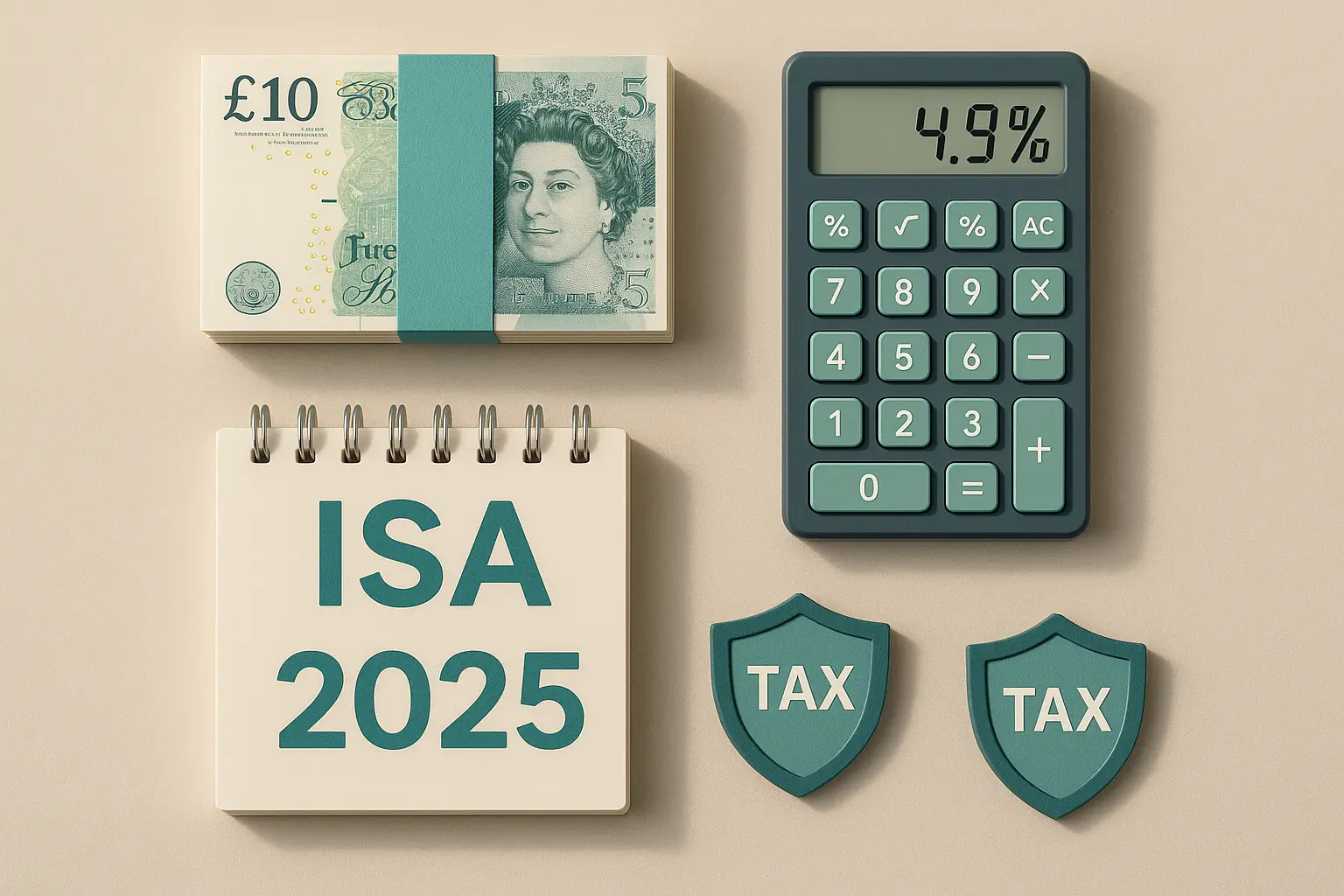
Individual Savings Accounts (ISAs) provide tax-free interest up to £20,000 per year, shielding earnings from income tax under the Personal Savings Allowance (PSA). Cash ISAs are popular for their simplicity, while stocks and shares ISAs offer growth potential. For the best ISA savings rates, focus on cash variants if preserving capital is key, as they align with the best savings rates UK-wide without tax drag.
Best easy access savings rates
Top easy access savings rates currently stand at 4.56% AER, providing solid returns with full withdrawal flexibility. These accounts suit those seeking the best savings rates today without commitment, though rates can fluctuate with market changes. Providers like Nationwide and Virgin Money lead, protected by the Financial Services Compensation Scheme (FSCS) up to £85,000.
Top providers and rates
Leading options include accounts from Chip at 4.56% AER with no minimum deposit, and Plum offering 4.51% AER for balances over £100. These beat the UK average savings pot of £16,067, which earns far less at typical high street rates. Always check eligibility, as some require app-based management.
Pros and cons
Pros include instant access to funds and competitive yields compared to fixed alternatives, making them ideal for short-term parking. Cons involve variable rates that could drop, potentially underperforming inflation. For maximum value, pair with a detailed savings statistics review to track trends.
Eligibility criteria
Most require UK residency and a National Insurance number, with minimum ages of 18. Some, like business variants, need company registration. Deposits start from £1, but higher balances often qualify for the best rates.
Top fixed rate and bond options
Fixed rate bonds deliver guaranteed returns, with the best fixed savings rates at 4.5% for one-year terms as of October 2025. These suit savers comfortable locking funds away, outperforming easy access for committed amounts. Notice periods or penalties apply on early withdrawal, so plan accordingly.
1-year fixed rates
The best 1 year savings rates come from providers like Shawbrook Bank at 4.5% AER, requiring a £1,000 minimum. This edges out longer terms slightly due to current market conditions post-Bank of England rate adjustments. Ideal for near-term goals, these lock in protection against expected cuts.
Longer-term bonds
For two to five years, rates dip to around 4.2% AER, but offer stability amid forecasts of declining base rates. Providers such as Close Brothers provide competitive deals with FSCS cover. Weigh the trade-off: higher initial rates versus potential better easy access if rates rise unexpectedly.
Comparison table
| Provider | Term | AER (%) | Min Deposit | Access |
|---|---|---|---|---|
| Shawbrook Bank | 1 year | 4.5 | £1,000 | No withdrawals |
| Close Brothers | 2 years | 4.2 | £10,000 | Penalty on early access |
| Investec | 1 year | 4.4 | £5,000 | Fixed term |
Data sourced from Which? best savings account guide (accessed October 2025). Rates subject to change; not financial advice.
Best ISA savings rates
The best ISA savings rates match top non-ISA yields at 4.56% AER for easy access Cash ISAs, with tax-free benefits amplifying returns for higher earners. These are crucial for utilising the £20,000 allowance efficiently. Fixed ISA deals offer similar security to bonds but without tax liability.
Cash ISA leaders
Top picks include Trading 212 at 4.56% AER variable, and Moneybox at 4.55% for flexible access. These provide the best cash ISA savings rates, ideal for everyday saving. Unlike standard accounts, interest stays tax-free, boosting net gains under the PSA limits.
Fixed ISA deals
The best fixed rate ISA savings rates reach 4.4% for one year from providers like Shawbrook. Longer terms yield slightly less but secure against rate falls. Choose based on your tax band; basic rate taxpayers may find standard accounts sufficient, but higher earners benefit most.
Tax benefits
ISAs shield up to £20,000 annually from tax, per official GOV.UK annual savings statistics. This is vital as average UK savings of £16,067 could generate taxable interest exceeding PSA thresholds for some. Always confirm your allowance hasn’t been used elsewhere.
Business and regular saver rates
Business savings rates lag personal ones but offer up to 4.2% AER for easy access, tailored for company funds. Regular savers encourage monthly deposits with bonuses, reaching 6-7% AER on limited amounts. These fill gaps in standard comparisons, providing value for disciplined savers.
Options for businesses
The best business savings account rates come from Metro Bank at 4.2% for balances over £10,000, with easy access. These accounts support cash flow needs while earning interest, unlike current accounts at near-zero. Eligibility requires business verification and often higher minimums.
Monthly deposit plans
Regular savers from First Direct offer 6.5% AER on up to £300 monthly, capped at £3,600 yearly. These reward consistency but penalise missed deposits. For the best regular savings rates, combine with easy access for overflow funds.
Risks and rewards
Rewards include boosted returns on small, regular investments, potentially outpacing inflation. Risks involve withdrawal limits and rate drops post-term. Diversify to mitigate, ensuring FSCS protection covers business deposits up to £85,000 per institution.
2025 trends and how to maximize returns
Savings rates are projected to ease in 2025 following the Bank of England base rate cut to 4.5% in February, yet top options remain above 4%. Inflation at around 2% means real returns stay positive for vigilant savers. Focus on switching to capture the best savings rates UK 2025 projections suggest.
Base rate impact
The base rate influences variable yields directly; further cuts could lower easy access rates to 3.5-4% by year-end, per Moneyfacts weekly roundup. Fixed bonds now offer a hedge. Monitor announcements to time switches.
Inflation considerations
With inflation eroding purchasing power, aim for rates exceeding the 2% target. For instance, 4.56% AER yields real growth of 2.56%. Use tools to calculate post-tax, real returns, especially for non-ISA holders.
Switching tips
Review annually or after rate changes; transfer via the Current Account Switch Service if linked. Compare via sites like MoneySuperMarket for the best interest rates on savings accounts. Start small to test providers.
Frequently asked questions
What is a good savings rate in the UK?
A good savings rate exceeds inflation and the base rate, currently around 4% AER or higher for top easy access accounts. This ensures your money grows in real terms, unlike the sub-1% on many high street deals. Factors like your risk tolerance and access needs define “good,” but anything above 4.5% offers strong value in 2025.
How do I find the best savings account?
Start by assessing your goals—liquidity for easy access or security for fixed—then compare AER using comparison sites. Check FSCS protection and minimum deposits; tools from Which? help filter the best savings account rates UK-specific. Always read terms and switch promptly to lock in rates before they fall.
What are the best easy access savings accounts?
The best easy access savings accounts offer 4.5%+ AER with no penalties, like those from Chip or Plum. They provide flexibility for the best instant access savings rates, backed by FSCS. However, rates are variable, so monitor for drops and have a backup plan to maintain yields.
Are ISAs worth it for savings?
ISAs are worth it if your interest exceeds the PSA—£1,000 for basic rate taxpayers—saving tax on earnings. With top rates at 4.56% tax-free, they maximize returns for moderate savers using the £20,000 allowance. For low earners, standard accounts may suffice, but ISAs future-proof against tax changes.
How does inflation affect savings rates?
Inflation reduces real returns by eroding money’s value; a 4% rate with 2% inflation nets 2% growth. In 2025, aim for rates above CPI forecasts to preserve wealth, especially in non-ISA accounts facing tax. Strategies like laddering fixed bonds help combat this long-term.
What is the best savings rate right now?
As of October 2025, the best savings rates today hit 4.56% AER on select easy access and Cash ISAs from providers like Trading 212. These outperform averages, but verify current offers as markets shift post-base rate cuts. For fixed, 4.5% on one-year bonds provides certainty.
How much can I save tax-free in an ISA?
You can save up to £20,000 tax-free across all ISAs yearly, including Cash ISAs for the best ISA savings rates. Unused allowance doesn’t roll over, so plan contributions wisely. This limit, per GOV.UK, shields interest and gains, ideal for higher balances generating taxable income.
This guide equips you to secure maximum value from UK savings. Compare options today and switch for better returns—rates change quickly.